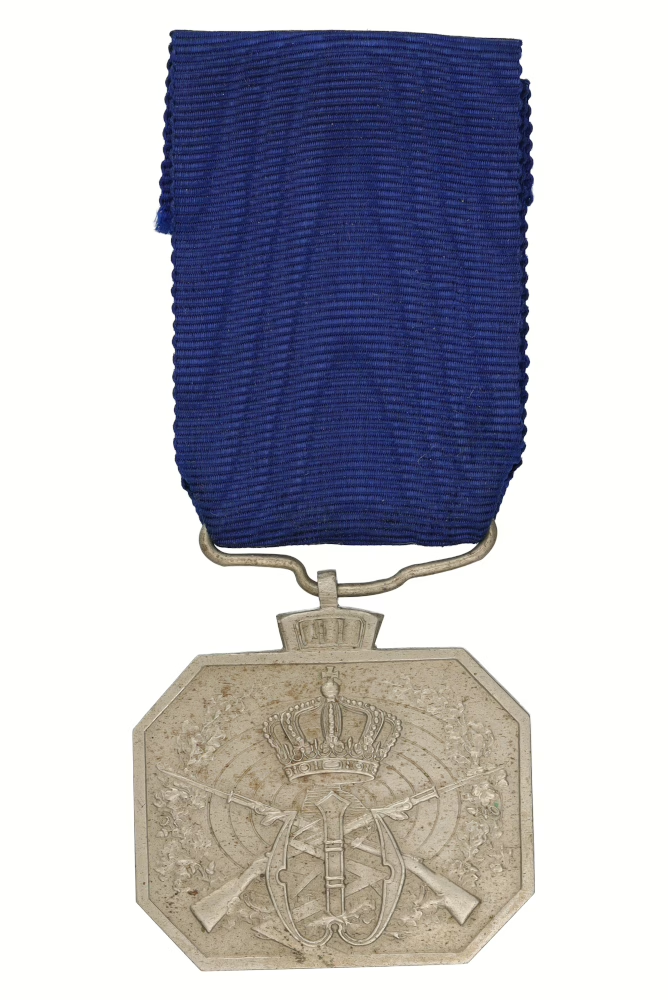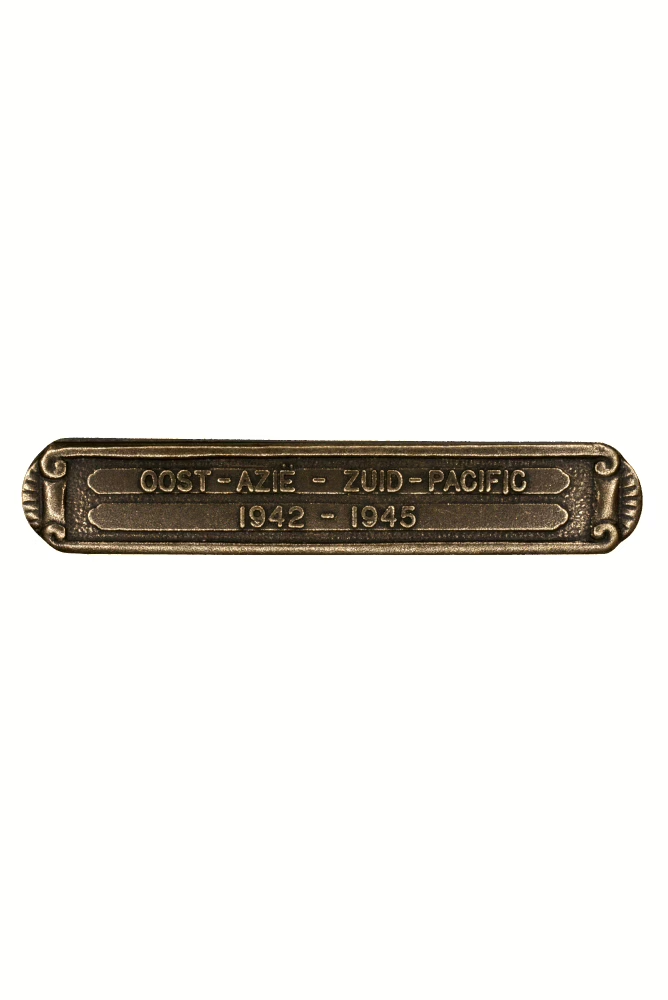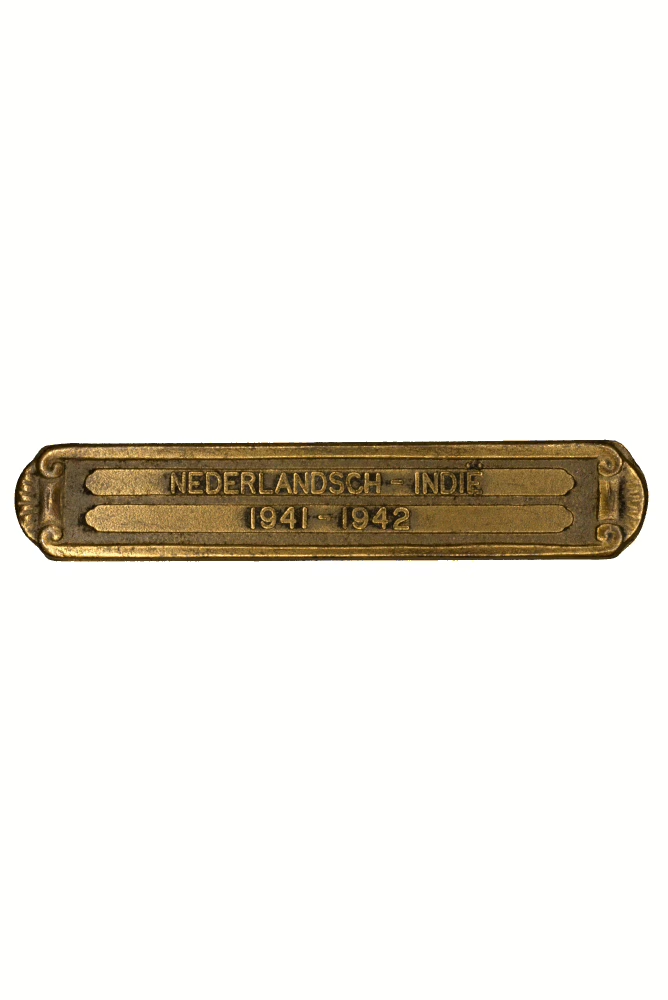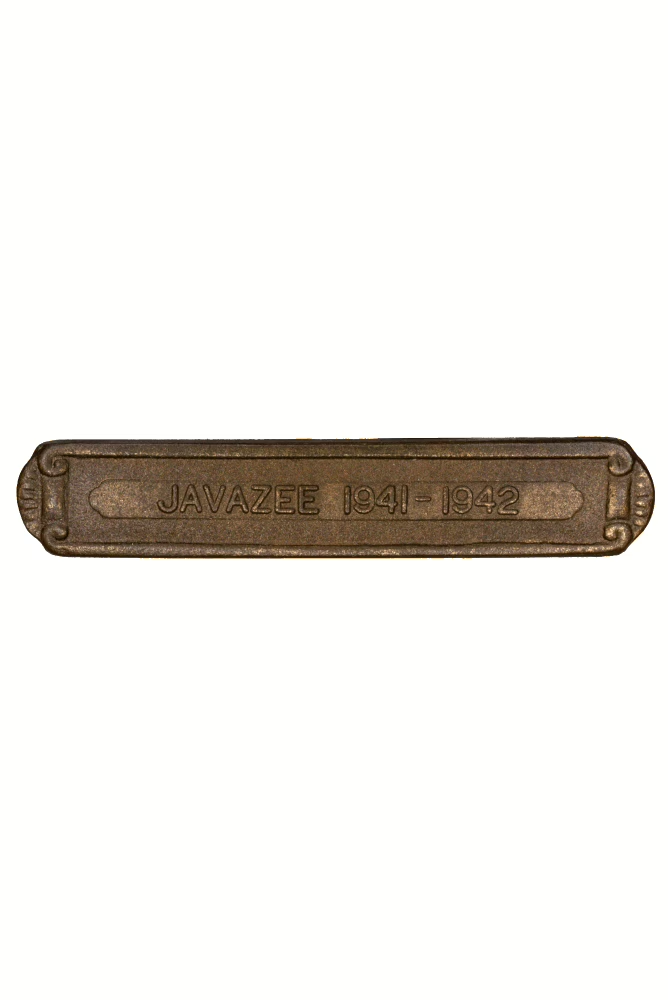
The Hague Medal, 1813
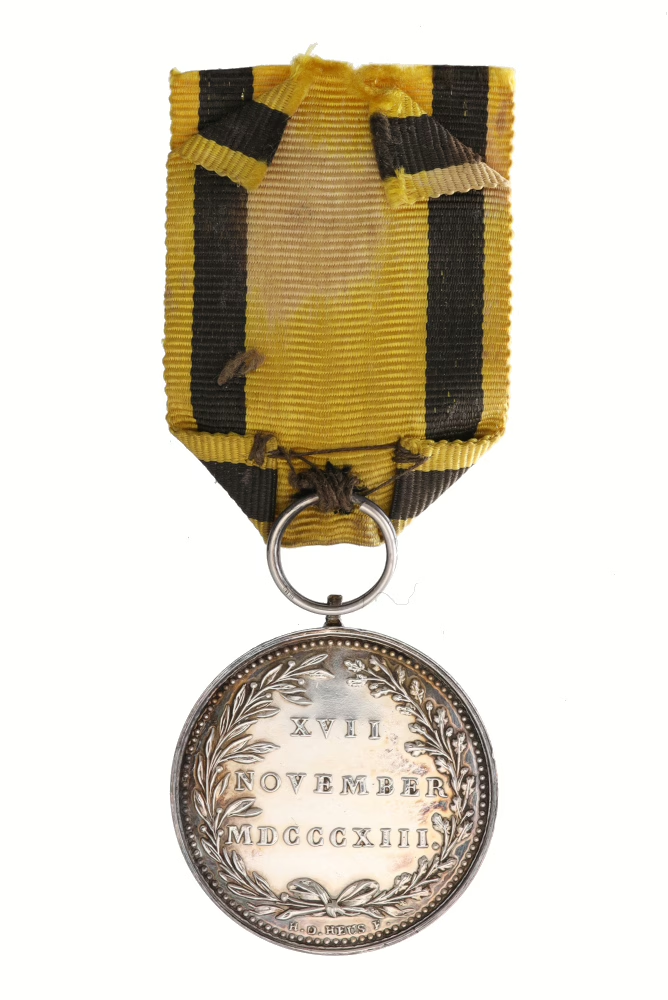
The Hague 1813 Medal was established in 1815 in memory of the members of the Hague Orange Guard who served when the city rose up against the French on 17 November 1813. The medal was designed by Hendrik de Heus; between 400 and 500 copies were struck.
General
| Start date | 1815 |
|---|---|
| End date | 1815 |
| Captions | voorzijde: VOOR VADERLAND EN ORANJE; keerzijde: XVII NOVEMBER MDCCCXIII |
| Dimensions [width] | 29 mm |
| Material | silver |
| Number | 400-500 |
Background
| Institutional decision | |
|---|---|
| Additions | Royal Decree, 11 November 1817; Royal Decree of 12 January 1818 |
| Objective | Established in memory of the members of The Hague’s Oranjegarde who served when the city rose up against the French on 17 November 1813. |
| (Historical) context | In October 1813, Napoleon’s Grande Armée was decisively defeated at the Battle of the Nations near Leipzig. French rule across the whole of Western Europe collapsed, and French troops and officials fled in a panic back to France. In various places, fighting broke out between French troops and Dutch insurgents. On 17 November 1813, the inhabitants of The Hague rose up against the French occupiers. Their motto was ‘For the Fatherland and Orange’. |
| Producer | Hendrik de Heus |
| Bibliography | Orders and Decorations of the Netherlands, 50–51 |
| Note | The Hague Medal was established by the Hague branch of the Fund for the Encouragement and Support of the Armed Forces in the Netherlands. |
Section
| In full | |
|---|---|
| Share | |
| Additions | none |