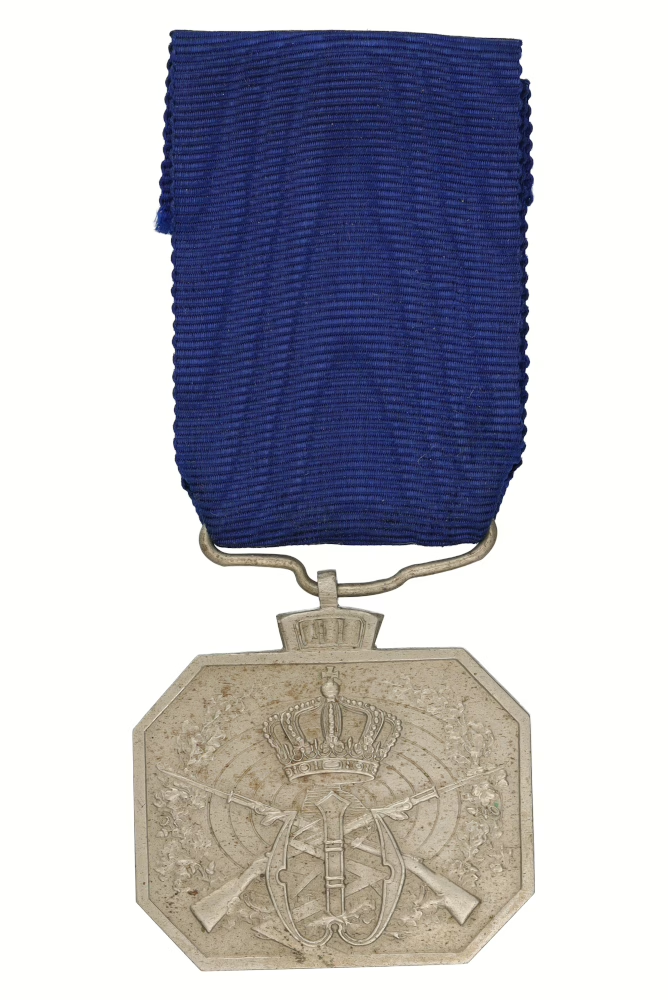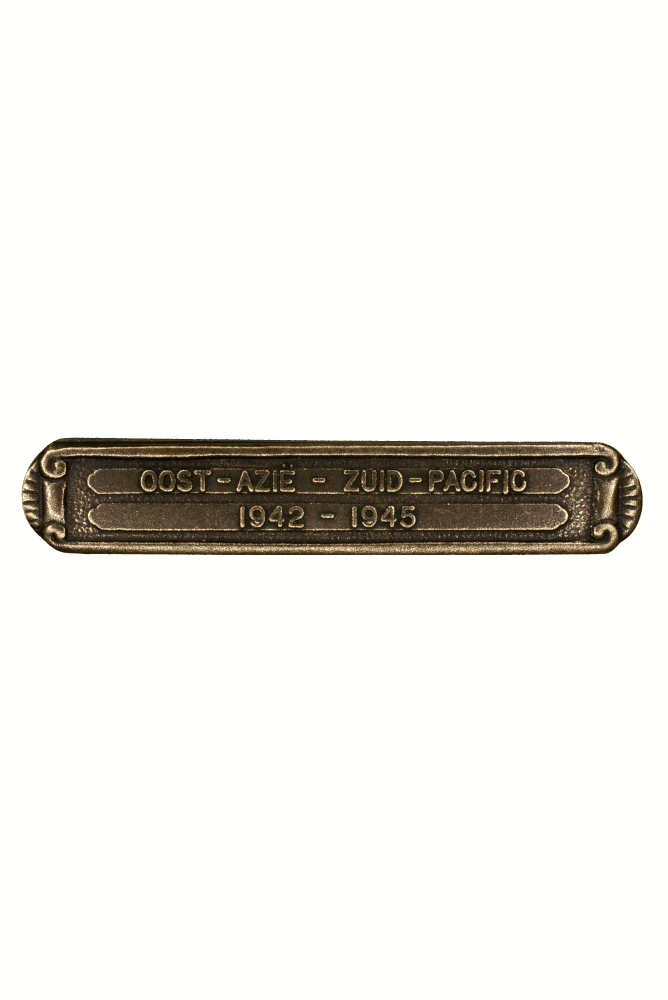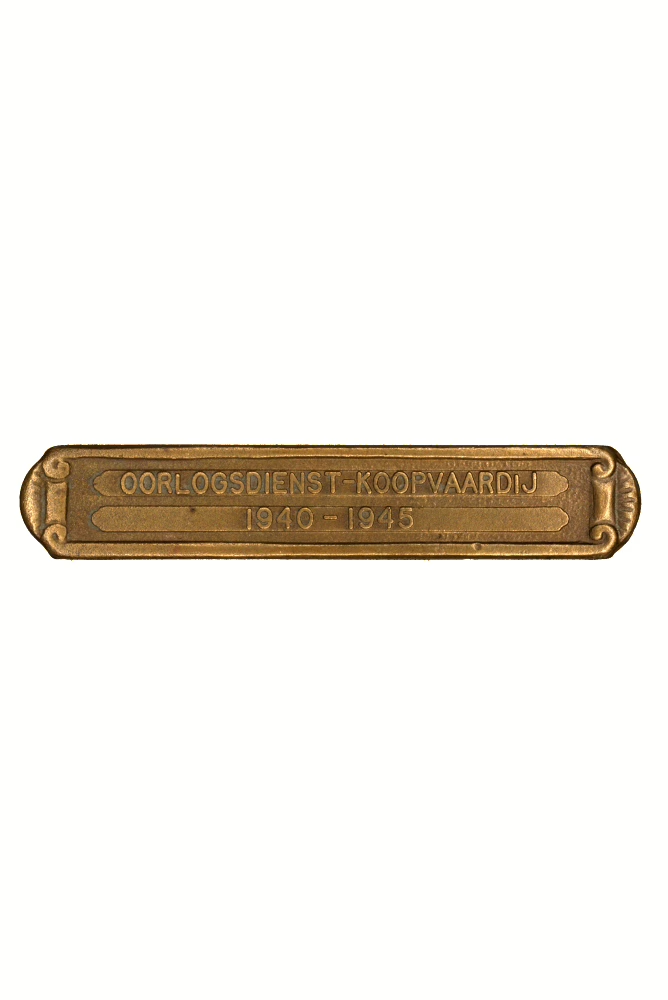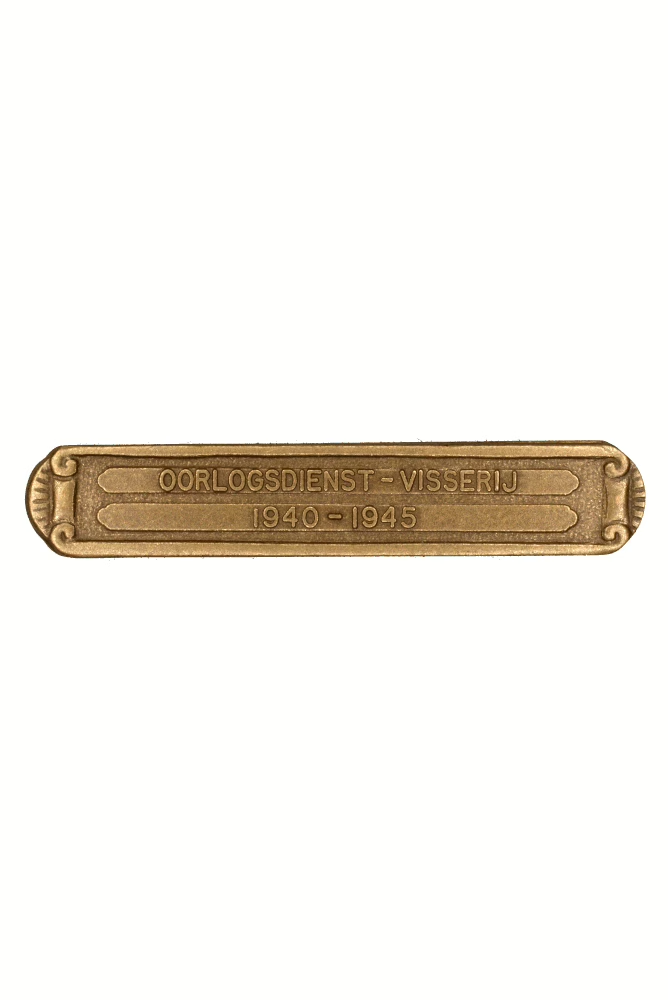
Metal Cross 1830–1831 for volunteers
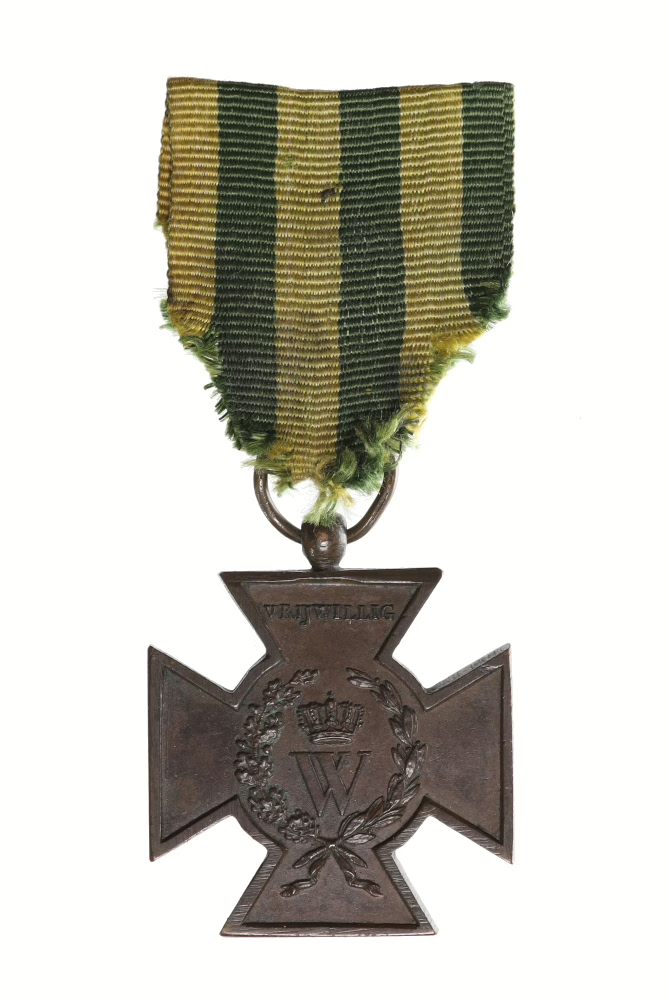
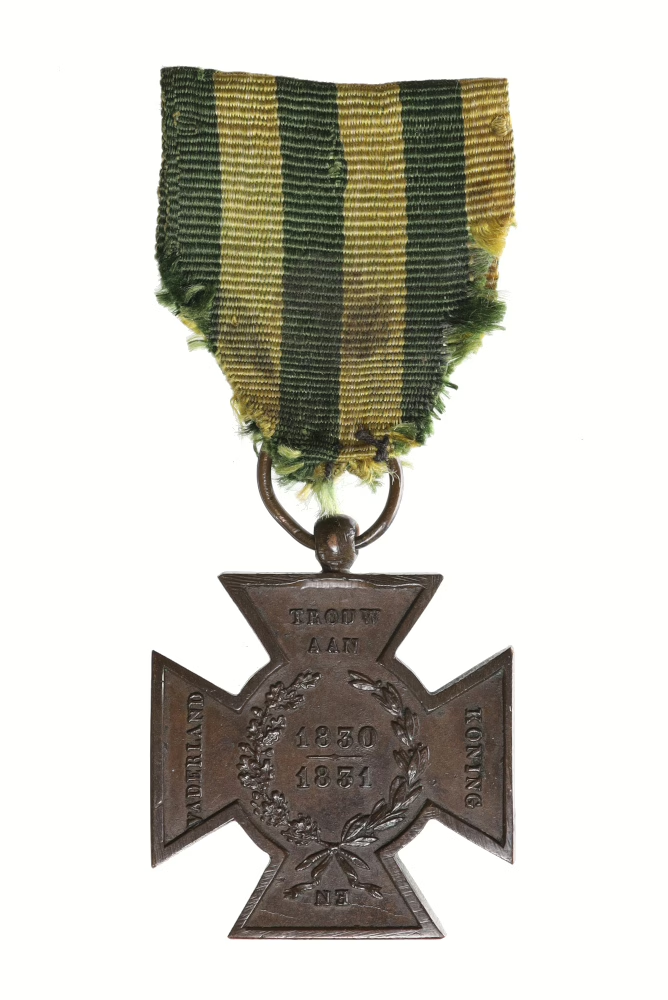
The Metal Cross 1830–1831 for volunteers was awarded in memory of all those who, in 1830 and 1831, took part as volunteers in the struggle against the Belgians. The Metal Cross was cast from the bronze of a cannon captured from the Belgians. It is also known as the Hasselt Cross.
The Metal Cross was struck at the Royal Mint; the dies were engraved by David van der Kellen (II).
General
| Start date | 1831 |
|---|---|
| End date | |
| Captions | voorzijde, opschrift: [kroon] W; opschrift, bovenste kruisarm: VRYWILLIG; keerzijde: TROUW AAN KONING EN VADERLAND 1830 1831 |
| Dimensions [width] | 27.5 mm |
| Material | bronze |
| Number |
Background
| Institutional decision | |
|---|---|
| Additions | |
| Objective | Awarded in memory of all those who, in 1830 and 1831, took part as volunteers in the struggle against the Belgians. |
| (Historical) context | In August 1830, an uprising broke out in Brussels against the reign of King William I. The Belgian uprising led to the southern provinces seceding from the United Kingdom of the Netherlands and forming the independent Kingdom of Belgium. Between 1830 and 1832, the two countries were openly at war with one another. The Metal Cross was established in 1831 and was awarded to all those who fought on the Dutch side against the Belgians. |
| Producer | The Royal Mint; David van der Kellen (II) |
| Bibliography | Orders and Decorations of the Netherlands, 59 |
| Note | The Metal Cross was cast from the bronze of a cannon captured from the Belgians. The Metal Cross is also known as the Hasselt Cross. |
Section
| In full | |
|---|---|
| Share | |
| Additions | none |