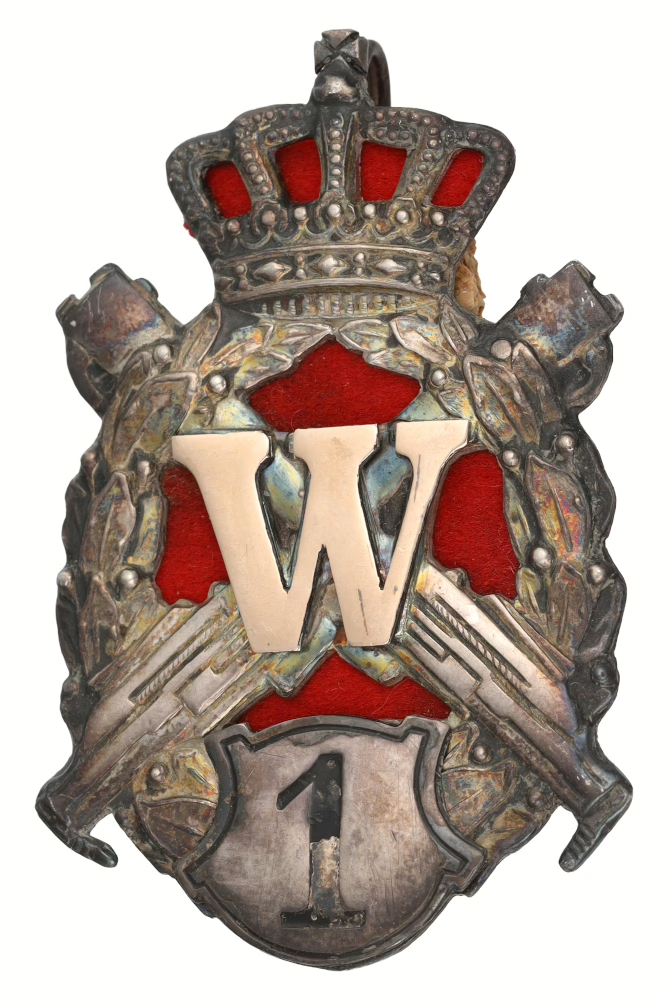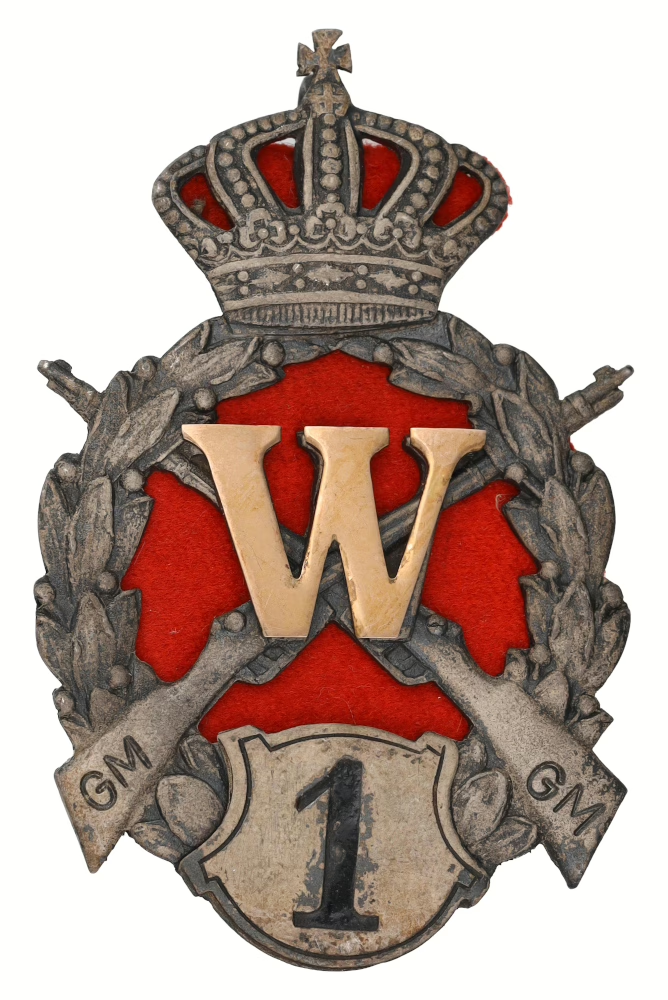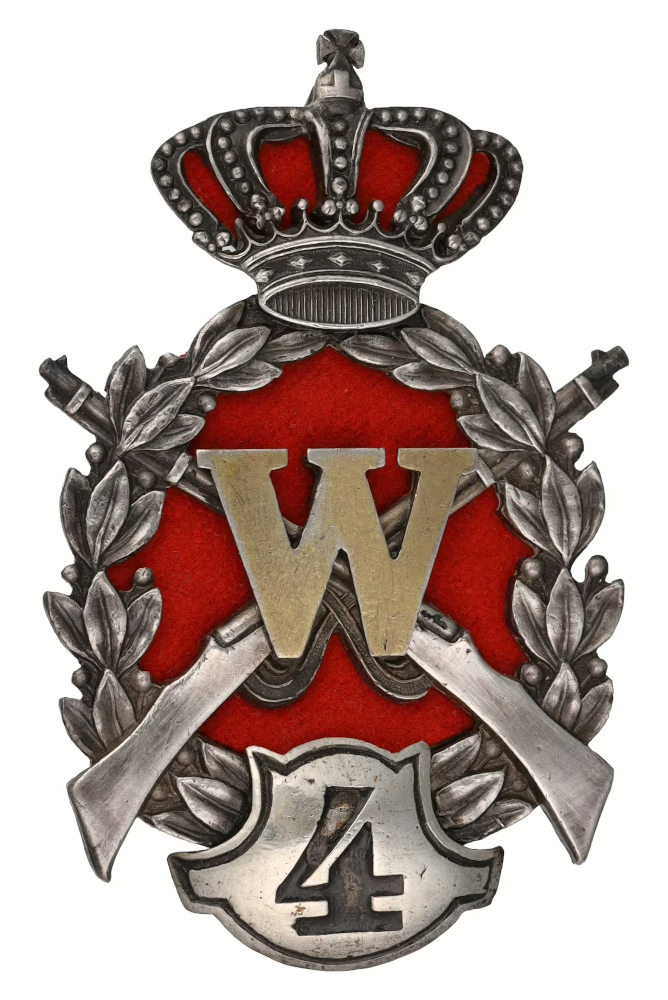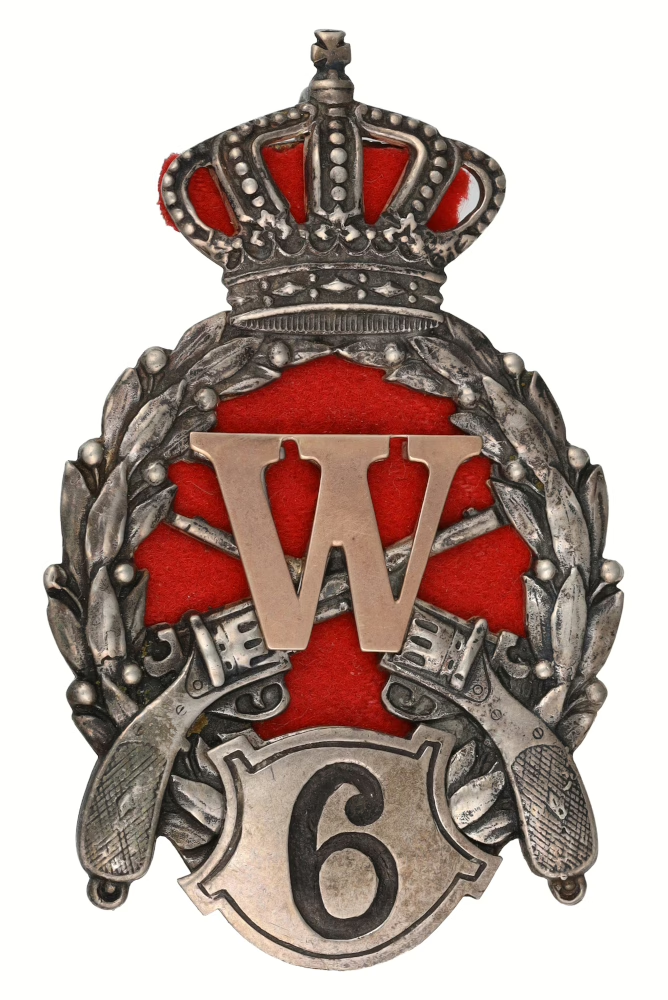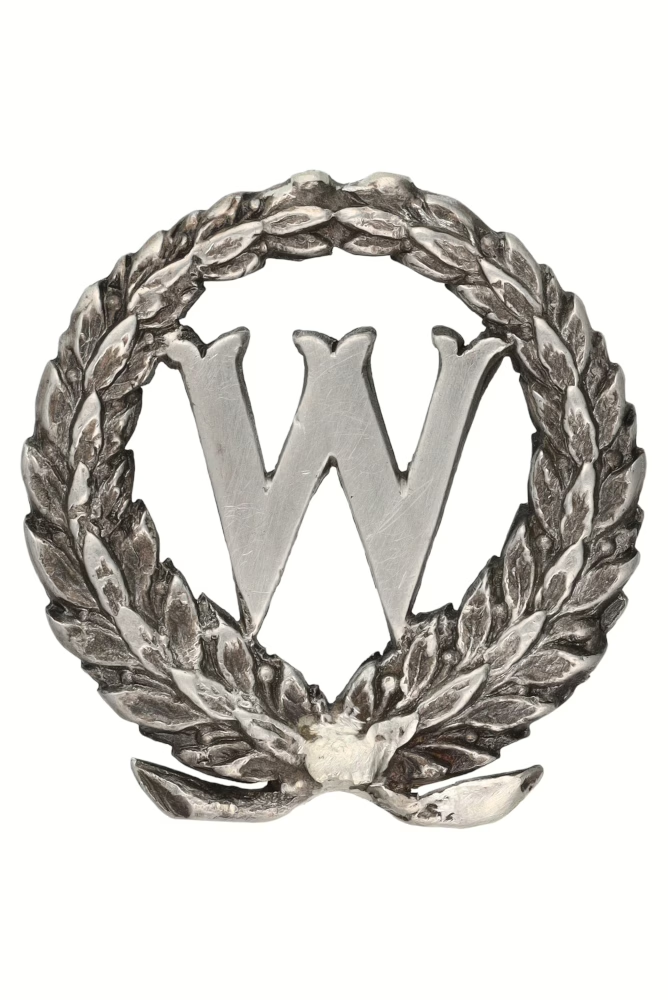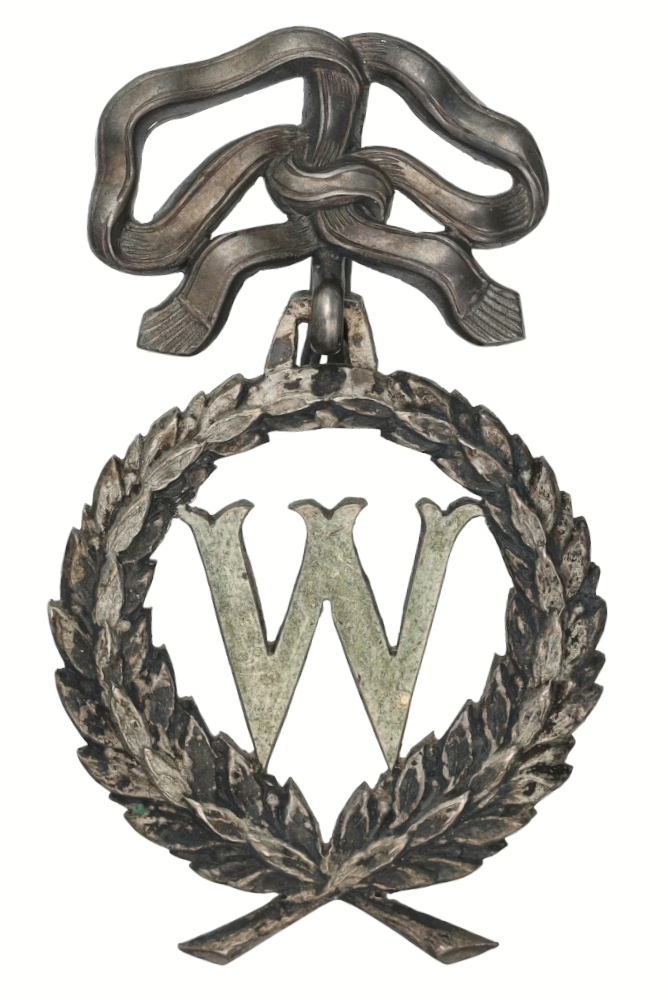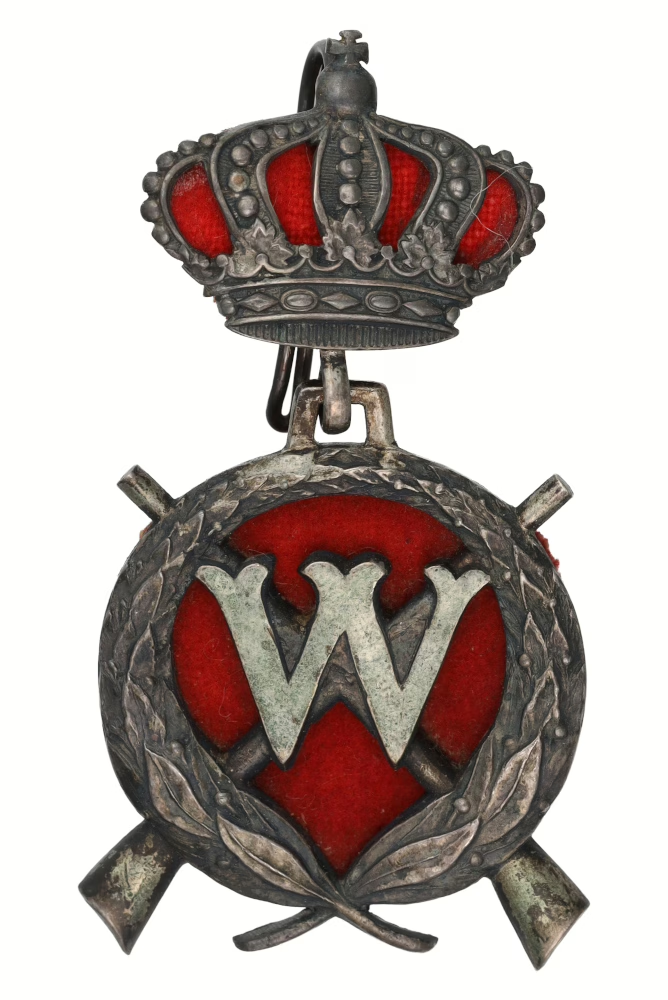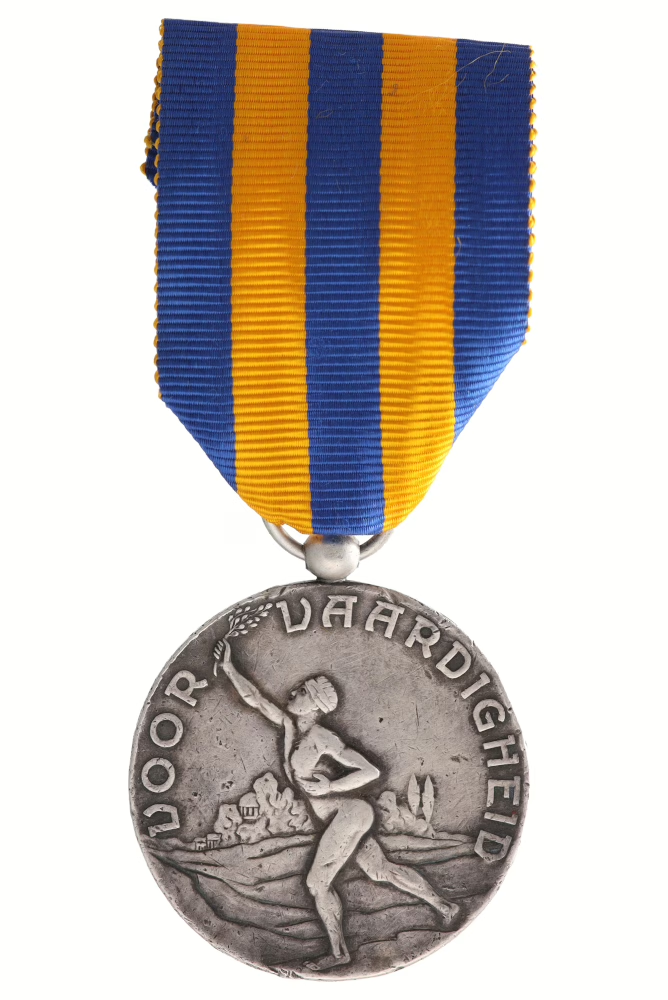
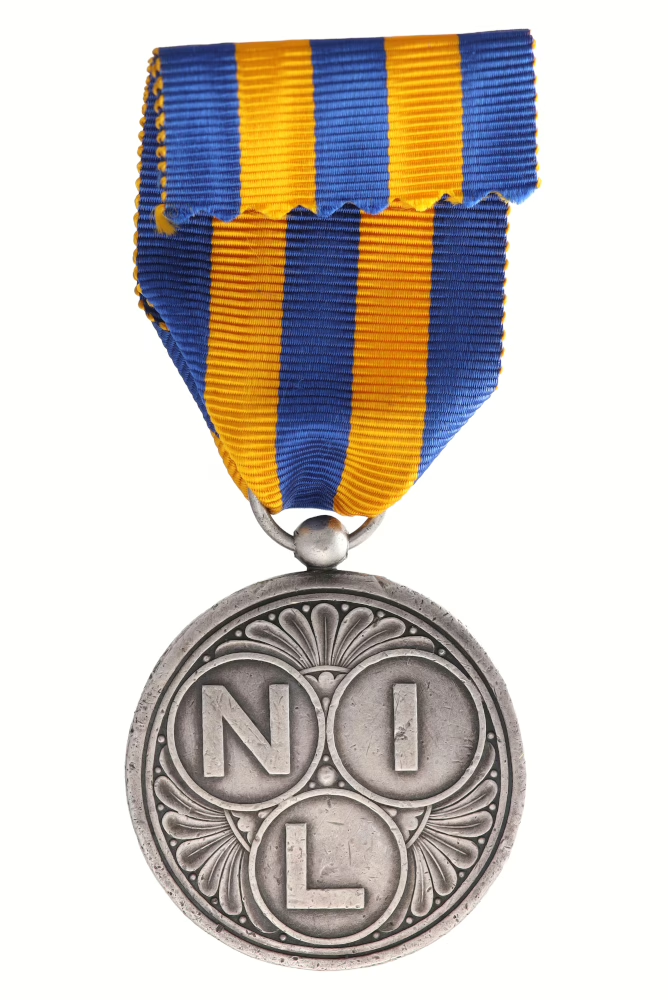
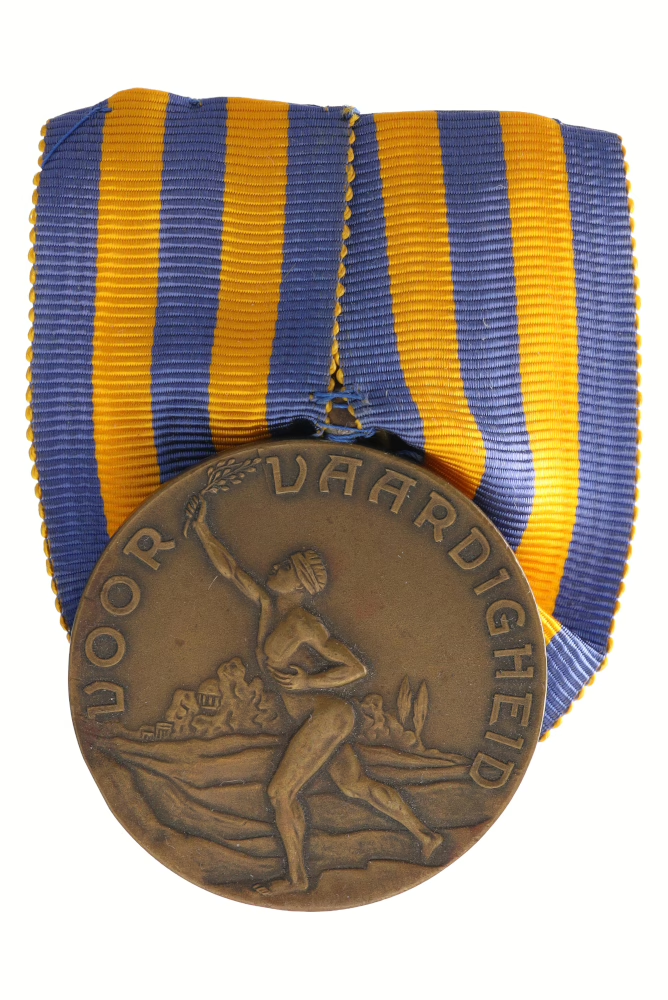

Proficiency Medal of the Royal Dutch East Indies Army
The Royal Dutch East Indies Army Proficiency Medal was established on 17 November 1919 as a reward for those who had passed the Royal Dutch East Indies Army proficiency test. It was awarded in gold-plated silver, silver and bronze.
It was manufactured by Koninklijke Begeer and designed by D. Scholtus and W. Endeman. The Royal Dutch East Indies Army Proficiency Medal has not been awarded since 1951.
General
| Start date | 1919 |
|---|---|
| End date | 1951 |
| Captions | voorzijde: VOOR VAARDIGHEID; keerzijde: N.I.L. |
| Dimensions [width] | 41 mm |
| Material | gilt silver; silver; bronze |
| Number |
Background
| Institutional decision | Decree of the Governor-General, 17 November 1919 |
|---|---|
| Additions | |
| Objective | Established as a reward for those who passed the proficiency test of the Royal Dutch East Indies Army. |
| (Historical) context | |
| Producer | Koninklijke Begeer; D. Scholtus; W. Endeman |
| Bibliography | Orders and Decorations of the Netherlands, 143–144 |
| Note | On the first award, the recipient is presented with the bronze medal. On the second award, the recipient is presented with a bronze number ‘2’, which is worn on the ribbon of the bronze medal. On the third award, the recipient is presented with the silver medal. On the fourth award, the recipient is presented with a silver ‘4’, which is worn on the ribbon of the silver medal. On the fifth award, the recipient is presented with a gold medal. For all subsequent awards, the recipient is presented with the relevant number in gold. |
Section
| In full | |
|---|---|
| Share | |
| Additions | repeat buckles |