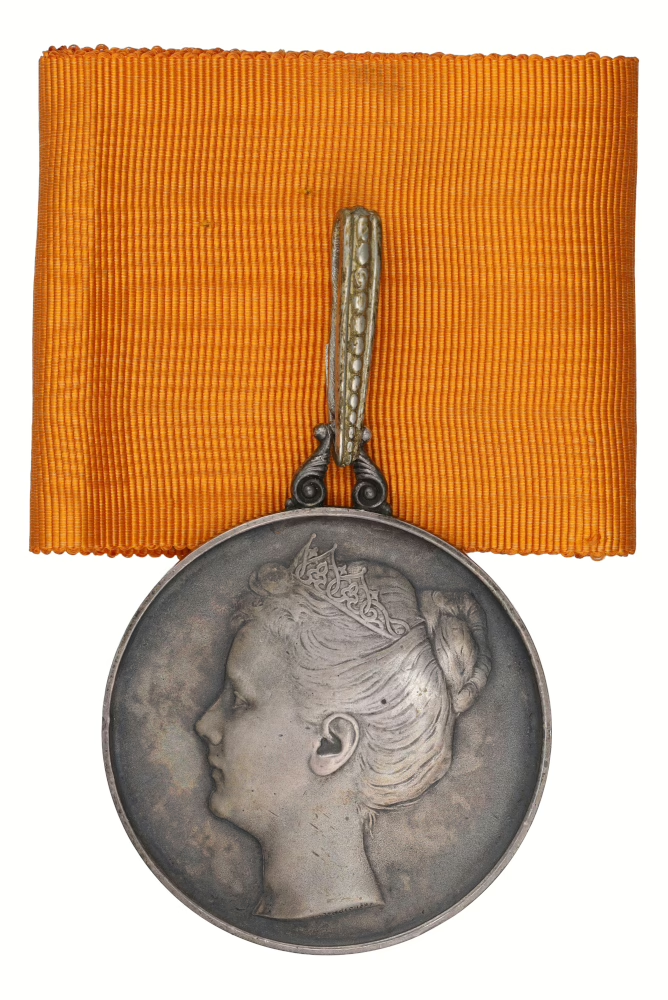
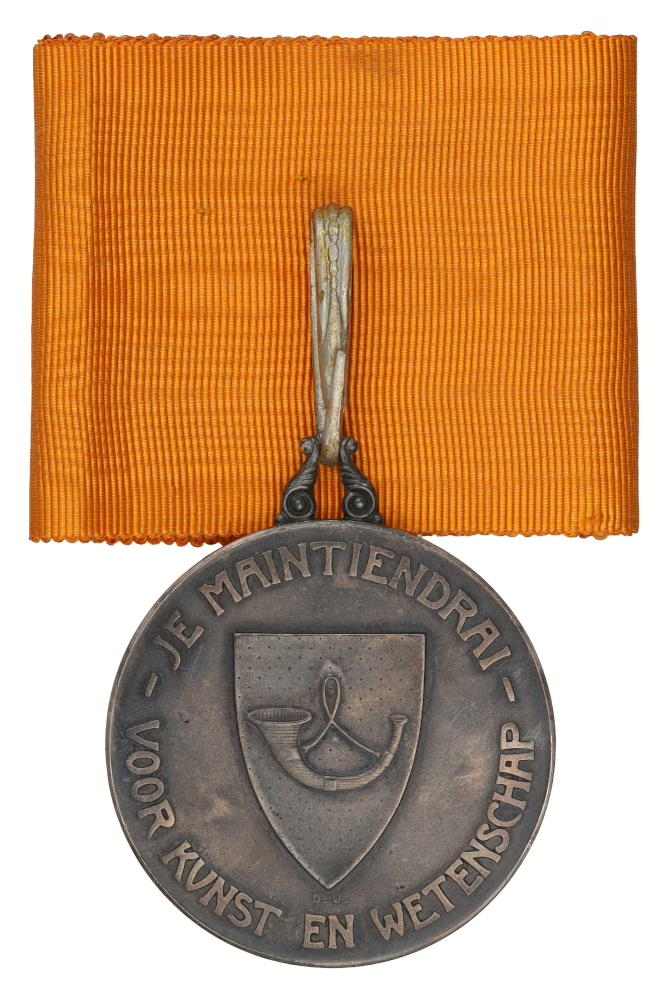
Medal of Honour for Arts and Sciences
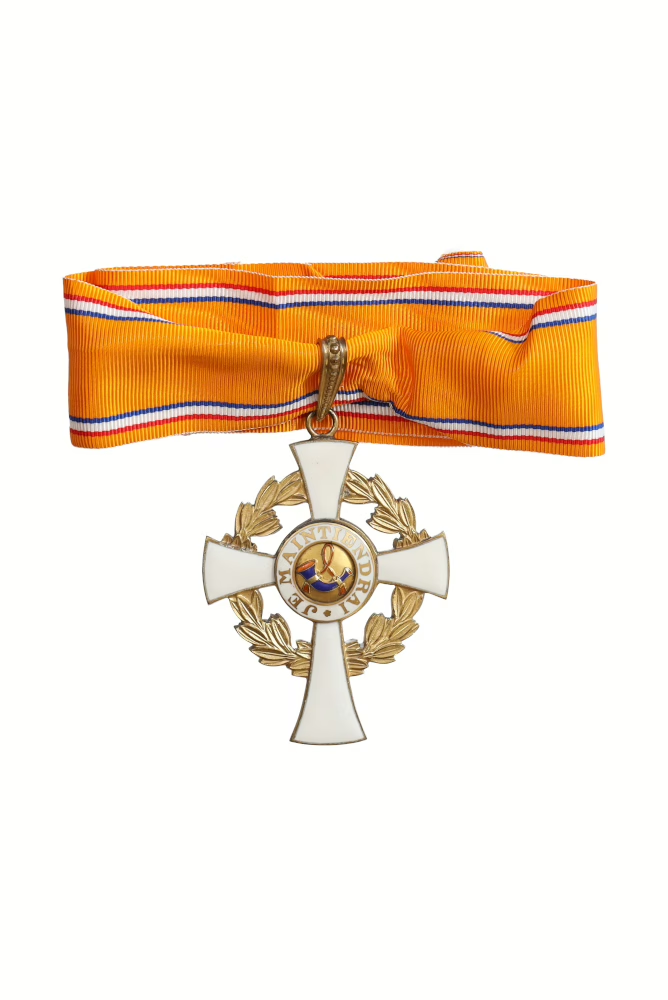
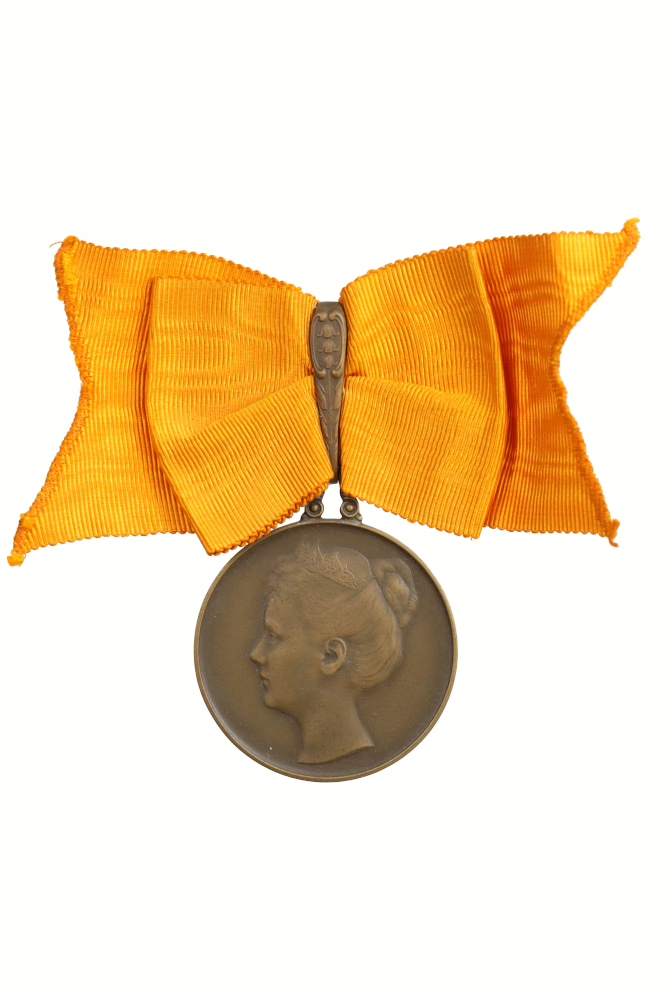
The Medal of Honour for Arts and Sciences has been awarded since 19 March 1905 to individuals who have rendered outstanding service to the arts and sciences and who, moreover, have a special connection with the Royal Family. Until the reorganisation of the order in 1969, the Medal of Honour for Arts and Sciences had two classes: gold and silver. Today, the Medal of Honour for Arts and Sciences is awarded exclusively in gold.
The medal is produced by Koninklijke Begeer; the dies were engraved by Pier Pander.
The Medal of Honour for Art and Science is still awarded and is listed in the decree on the order of precedence for honours, as laid down by the Minister of the Interior.
General
| Start date | 1905 |
|---|---|
| End date | |
| Captions | keerzijde: VOOR KUNST EN WETENSCHAP |
| Dimensions [width] | 48 mm |
| Material | gold |
| Number |
Background
| Institutional decision | Royal Decree, 19 March 1905 |
|---|---|
| Additions | Royal Decree, 20 November 1969 |
| Objective | |
| (Historical) context | Awarded to individuals who have rendered outstanding service to the arts and sciences and who, moreover, have a special connection with the Royal Family. |
| Producer | Koninklijke Begeer; Pier Pander |
| Bibliography | Orders and Decorations of the Netherlands, 118–119 |
| Note | Until the reorganisation of the order in 1969, the Medal of Honour for Arts and Sciences had two classes: gold and silver. Today, the Medal of Honour for Arts and Sciences is awarded exclusively in gold. |
Section
| In full | House Rules of Orange |
|---|---|
| Share | |
| Additions | none |